
The True Cost of Zoom, Convay, and Webex for 5,000-10,000 Attendee Events
Your finance team approved $30,000 for virtual events this year. Six months in, you’ve already spent $42,000. Zoom Events looked affordable at $26,490 annually for 3,000 attendees. Then you scaled to 5,000. Then compliance required additional security features. Then recordings filled cloud storage. Then you needed SSO integration. Each “then” added cost. This isn’t budget […]
The Hidden Costs of Online Class for Schools And How to Reduce Them
Introduction Understanding the hidden costs Zoom schools face, budget predictability matters more in 2026 than it did during emergency remote learning. Finance officers face tighter scrutiny. Procurement reviews run quarterly, not annually. Multi-year planning requires accurate forecasting. And education leaders are discovering that video conferencing costs extend far beyond the license invoice — often by […]
Why Teachers Are Abandoning Zoom in 2025 | CONVAY
Over 67% of teachers report frustration with Zoom’s limitations in 2025—and they’re making the switch. For years, Zoom was the go-to solution for remote learning. When schools closed in 2020, Zoom saved education overnight. Teachers, administrators, and students adapted quickly to the platform that became synonymous with virtual classrooms. But here’s the reality: Zoom wasn’t […]
Compliance Risks of Third-Party Video Tools in Education
Introduction: Compliance Is About Responsibility When a vendor says their tool is “used by 10,000 educational institutions,” it sounds safe. So many institutions trust them. It must be compliant. That inference is wrong. A tool being widely used doesn’t make it compliance-ready. It makes it popular. Popularity and compliance are different things. A tool can […]
How to Prepare Your Online Class System for Internal Audits
Introduction: Why Online Classes Are Now Auditable Systems Five years ago, online classes were often treated as experiments or pilot programs. Internal audits didn’t focus on them much. They were niche, temporary, and informal. That’s changed. Now, institutions offer online classes at scale. They’re part of the academic calendar. They’re integrated with enrollment and grading. […]
Access Control in Online Classes: Why Role-Based Entry Matters
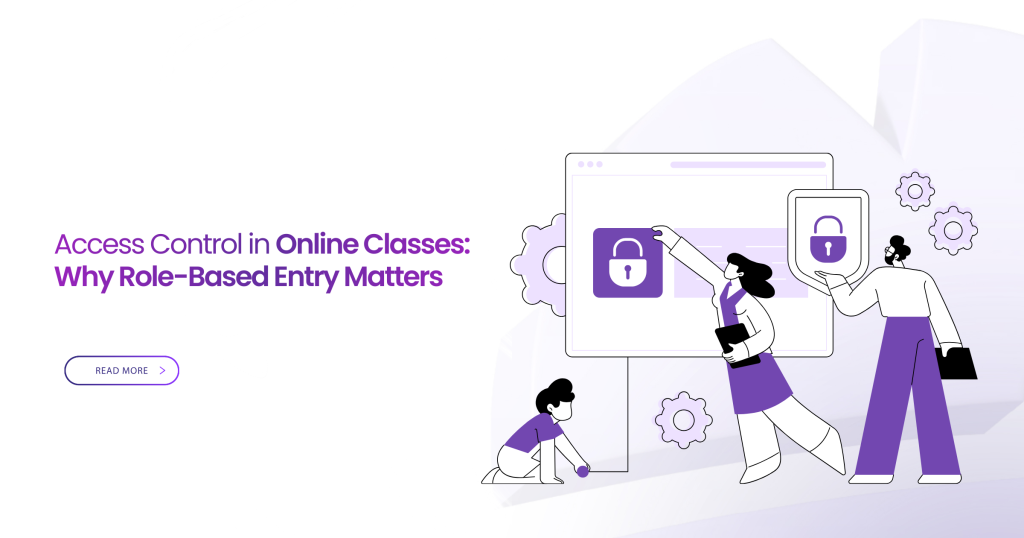
Introduction: Access Is a Governance Issue “I’ll just send them the link.” It’s the simplest way to share a meeting. Send a link, people click it, they’re in. For casual meetings, this works fine. For educational institutions, “anyone with the link” is a governance problem masquerading as a feature. An institution that allows “anyone with […]
Who Owns Class Recordings? A Governance Guide for Universities
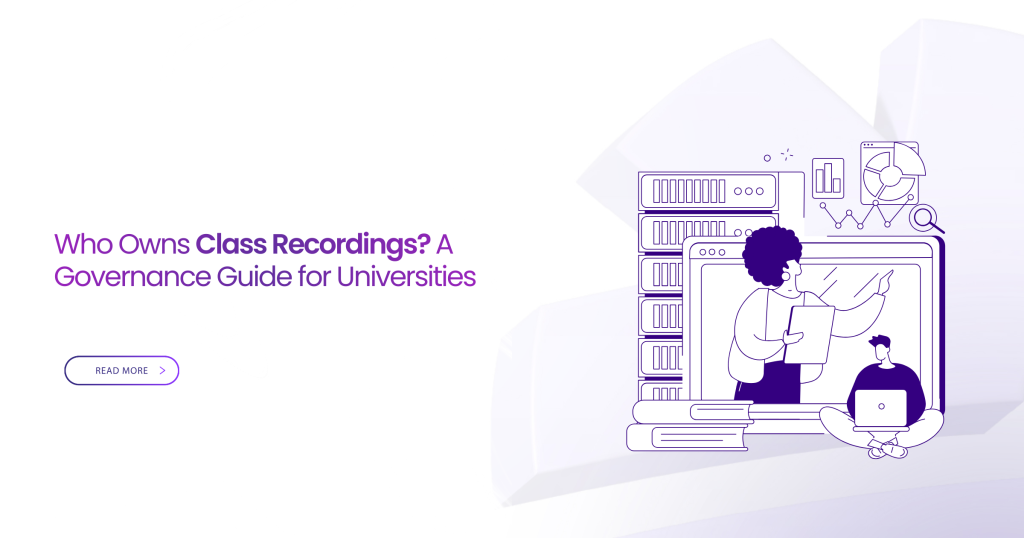
Introduction: Why Recording Ownership Matters A faculty member records a class. By the end of the semester, there are 15 recordings. The faculty member wants to use those recordings in a book chapter they’re writing. The institution wants to archive them as institutional assets. A student wants to request the recordings be deleted because they’re […]
Data Governance in Online Education: What Institutions Are Responsible For
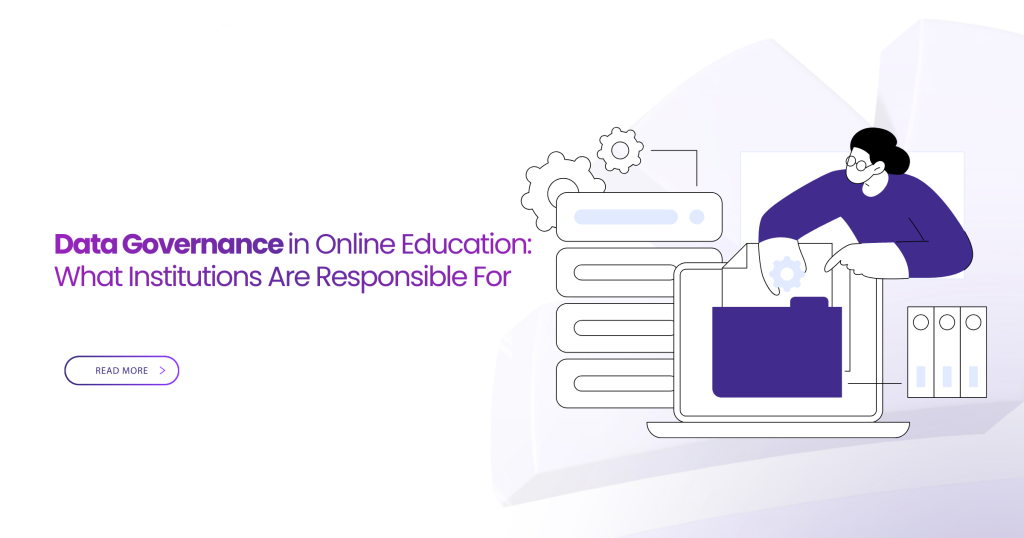
Introduction: Data Governance Is an Institutional Duty When something goes wrong in an online class—a recording is accessed by someone who shouldn’t have access, a student’s data is shared outside the institution, an audit discovers that recordings are stored in an unknown location—the conversation that follows is always the same. “How did this happen?” “Who […]
Online Classes During Exams: Infrastructure Risks Institutions Must Consider
Introduction: Exams Change Everything For most of the academic year, online classes are one tool among many. They’re important, but they’re not critical. Classes can be rescheduled. If a session fails, it can be recorded and replayed. Students have some flexibility. During exams, everything changes. Exams are high-stakes. They’re high-pressure. They’re high-visibility. If an exam […]
How Universities Can Run Large Online Classes Without Session Failures
Introduction: Scale Changes the Rules A live class with 30 students is a different thing than a live class with 300 students. The difference isn’t just bigger. It’s fundamental. Small classes can be flexible, improvised, reactive. Large classes demand precision, structure, and planning. Many universities discover this mid-semester when they run their first large online […]